Case study · Endura Healthcare · 2026
An inventory app for a medical business
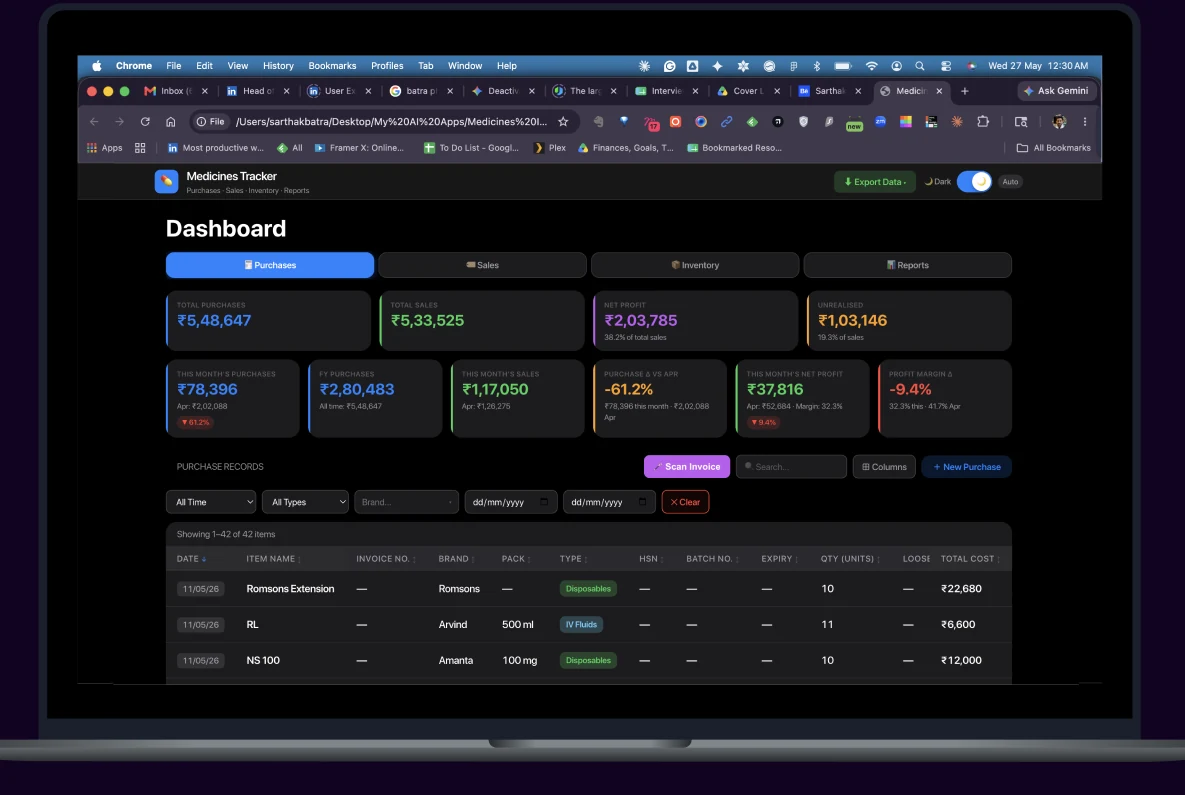
I challenged myself to design a management app for my own wholesale medical business — inventory, purchases and sales, invoicing and tax — and ship it as real, running code.
01 · Goal
End-to-end operations for a new wholesale business
A web app for the purchase–sale flow, distributors, inventory, invoicing, tax, and reports and forecasting.
 01Purchases
 02Sales
 03Distributors
 04Inventory
 05Invoicing
 06Reports
 07Tax filing
02 · Methodology
Research, design, code, run it
Research
- Map use cases against what’s already built
- Study competitors’ user flows
- Compare features and USPs
Design
- Start with the primary use cases
- Add complexity as new ones emerge
Implement
- Production-ready code, not a prototype
Test in production
- Run the business on it, and improve
03 · Research
What’s already out there
I used Google Gemini to find apps that might suit a medical business.
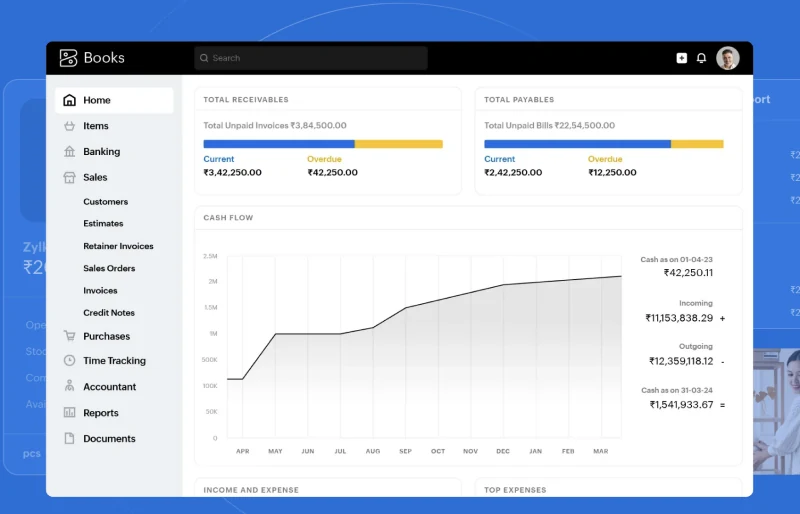
Zoho Books
- Pro: a deep ecosystem that scales with the business
- Con: not designed for medical businesses
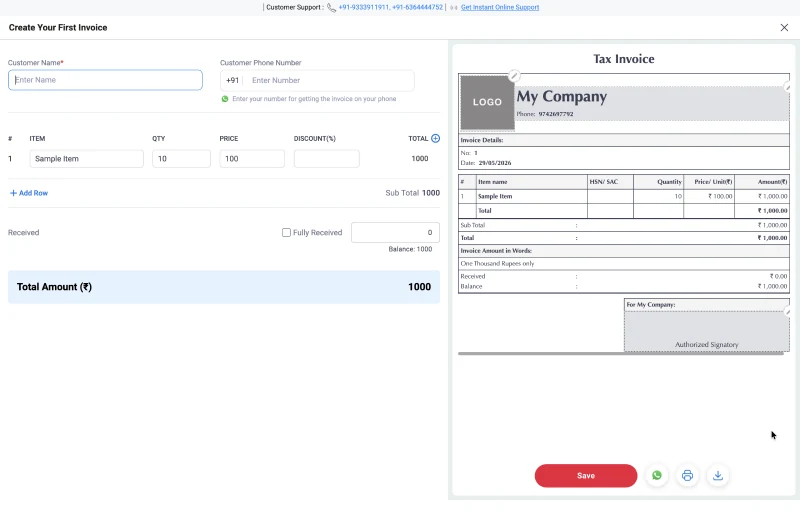
Vyapar
- Pro: built for Indian businesses; handles GST very well
- Con: likely expensive for the full app
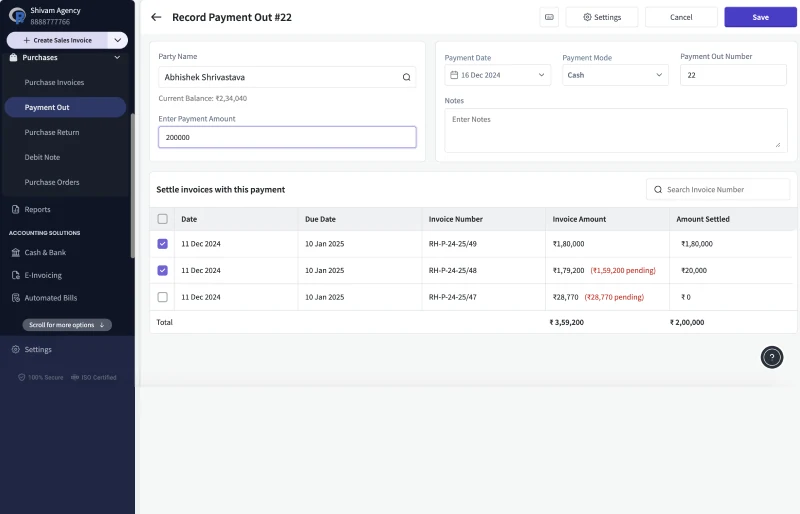
myBillBook
- Pro: OCR auto purchase entry — photograph a bill, stock updates
- Con: not designed for medical businesses
04 · Define
Use cases and functional requirements
Written requirements gave Claude the app’s context — who it’s for — so it could lay out the first screens and features.

Purchases
- Add purchases
- Inventory from purchase history
- Cost-price history
- Invoices for GST

Sales
- Add sales
- Inventory from sales history
- Invoices for GST

Distributors
- Distributor listing
- Items linked to each
- Business per distributor

Inventory
- Product list
- Sold by distributor
- Inventory report

Invoicing
- Purchase invoices
- Sale invoices

Reports
- Purchase and sale reports
- Sales insights

Tax filing
- P&L for tax filing
- Expenses from bills
05 · Design
Why Claude over Gemini or Figma Make
06 · Visual mocks
From a design system to the first build
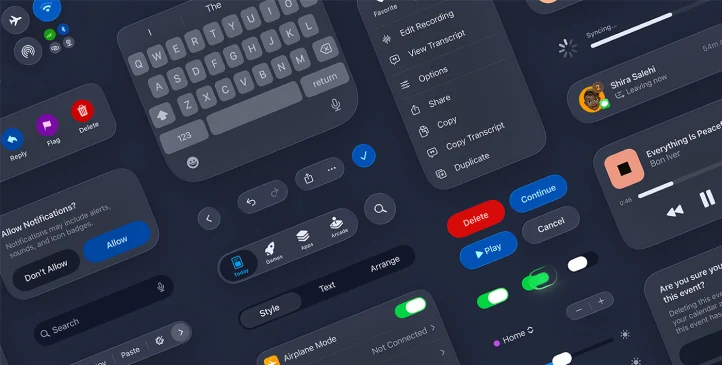
Attach a design system that fits
I used Apple’s desktop app design system. To skip wireframing, creating or attaching a design system is a must.
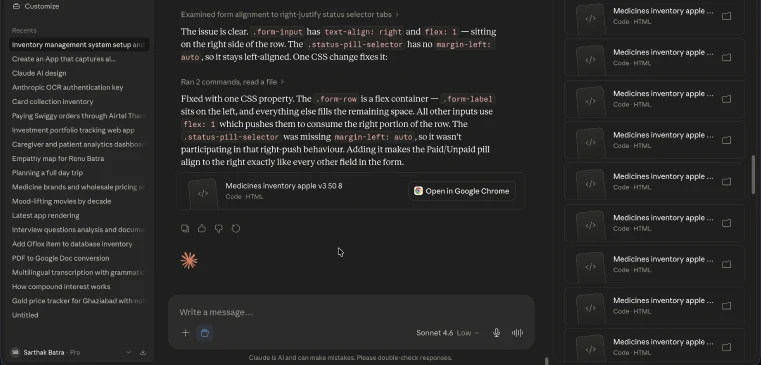
Use cases, flows and feature prompts
- Capture purchases and sales
- Report purchases, sales and profit
- Remember item details for next time
- Dark and light modes
07 · Design + code
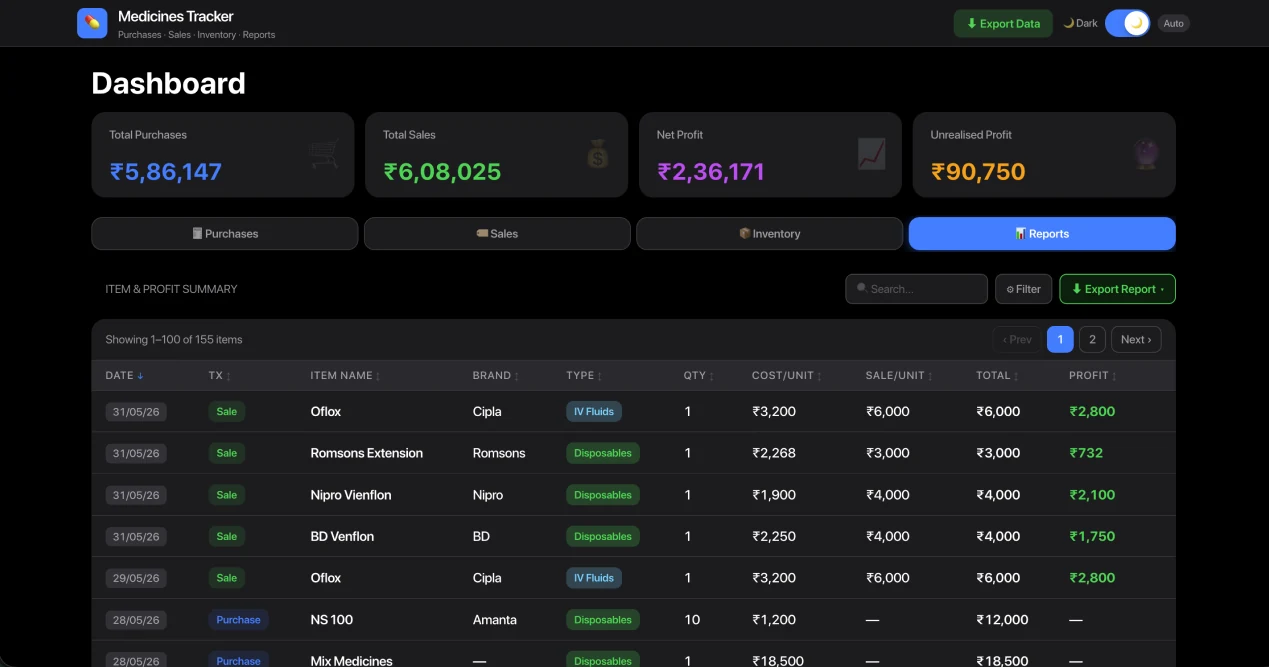
Five iterations, all running code
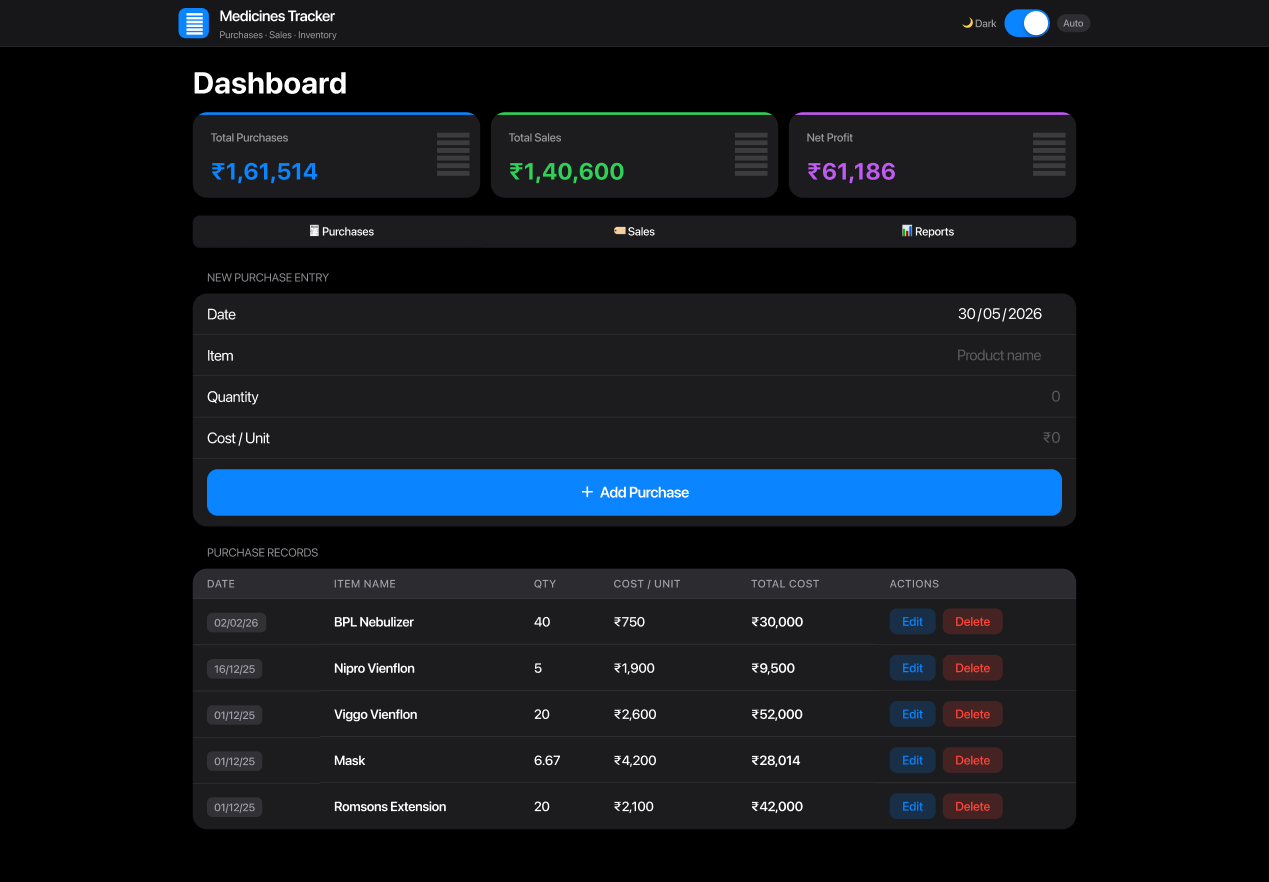
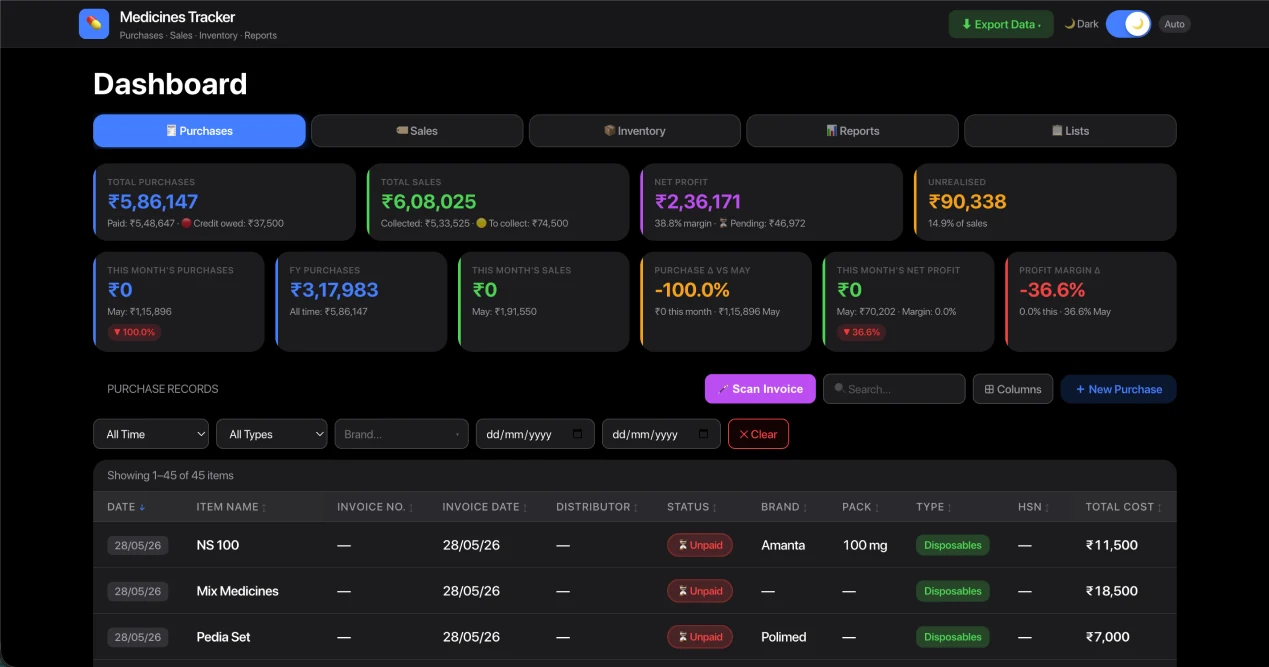
Purchases, sales, basic reports
Totals of purchases and sales, and profit reports built from them.
08 · Workflow
My AI design workflow

- 01Figma
Design with a fitting system
- 02Claude
Upload or connect via MCP, with requirements
- 03GitHub
Code, branches, versions
- 04Supabase
Database, versioned in Git
- 05Netlify
Latest build always live
Thank you
Endura inventory management · Head of Design · 2026